BrandRPM.svg)
Marketing plays a vital role in business growth and as more companies strive to become more eco-friendly, they need to research the best options. A recent study shed some light on promotional products vs. other marketing trends in brand recall and sustainability and determined that promotional products work better in both cases than digital ads.
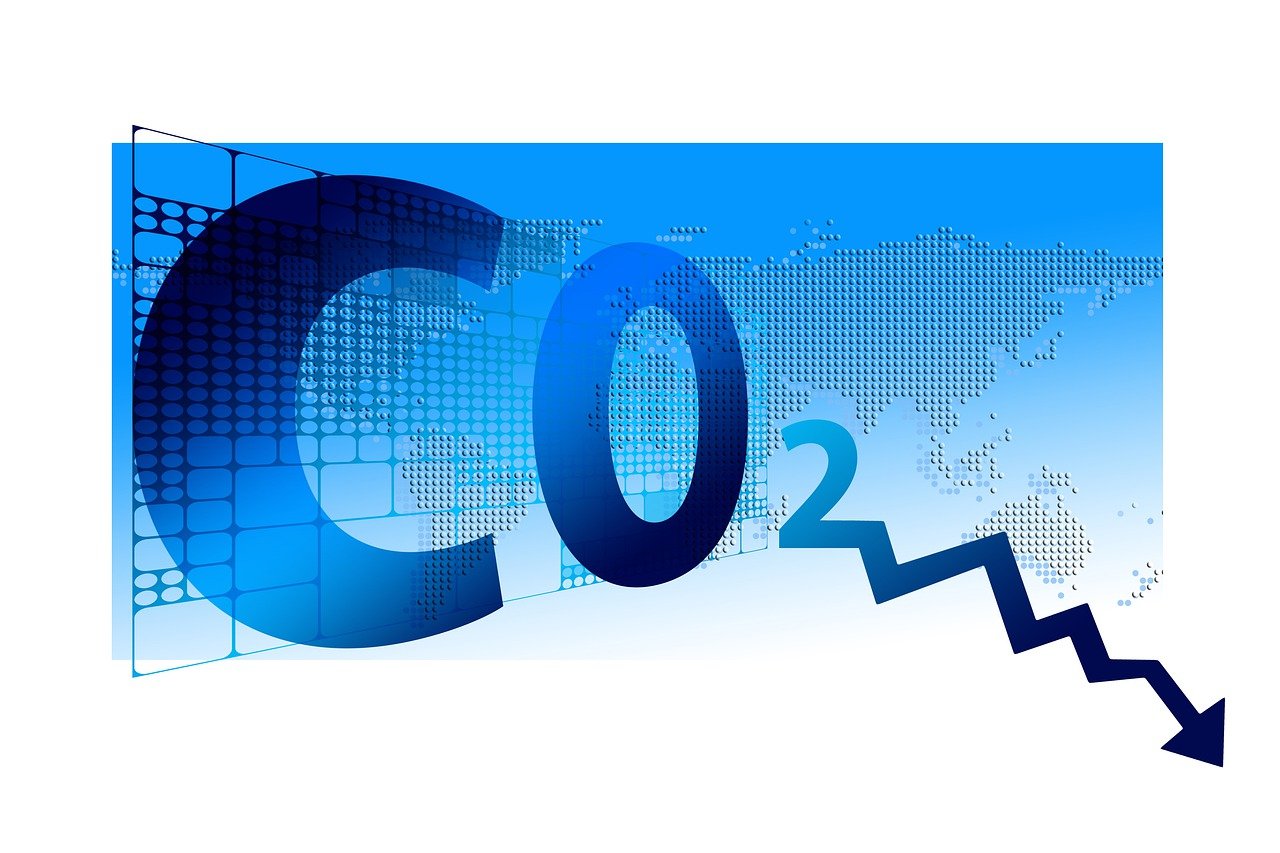
Earlier this year, ASI and PPAI jointly sponsored a study that compared the various marketing methods on their levels of carbon footprint and their effectiveness in enhancing brand recall. 51toCarbonZero, a sustainability consultant firm, conducted the study. They took significant research data from an American distributor and an European distributor and entered the data into a carbon tracking tool to analyze the results. While many people might consider digital marketing to be the most sustainable method, the study showed that promotional products produced much less carbon emissions than both digital and print advertising.
The most impressive finding from the study relates to emissions per memorized impression, a unit of measurement that correlates the amount of carbon dioxide equivalent created by an advertisement compared to the number of times it's remembered by the customer. Promotional products have eight times less carbon impact per memorized impressions than digital and online advertisements. Digital ads often use AI and other energy-burning effects. Promotional products also rank second to outdoor signs as the advertising method with the best brand recall.
The study doesn't claim that promotional products don't give off any carbon footprint; it's just that those items have a much lower rate than other advertising methods. The study also didn't consider other environmental concerns, such as ethical sourcing and end of life. The main goal of the study was to encourage companies worldwide to lower their carbon emissions.
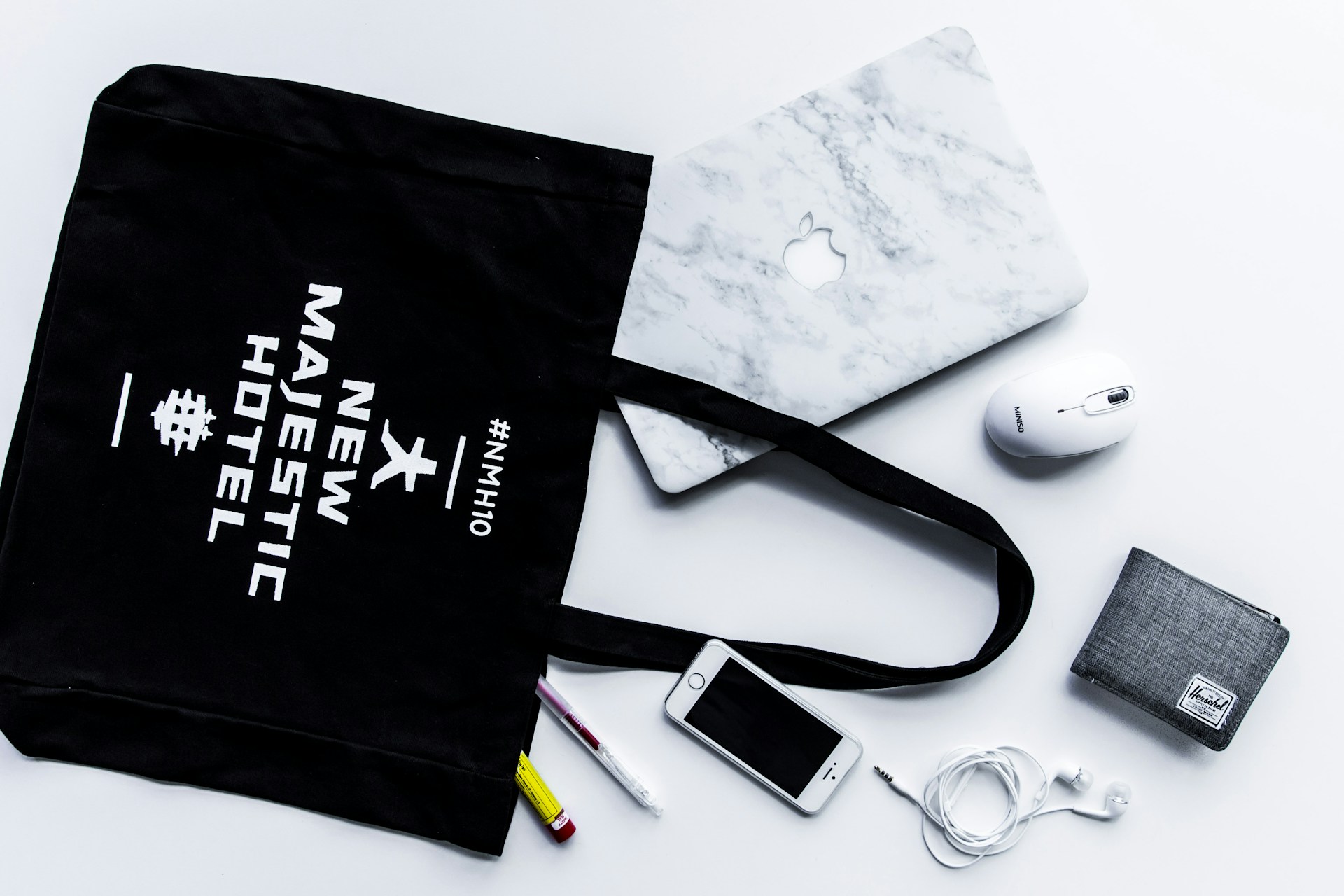
Promotional products have other advantages besides being eco-friendly. People generally scroll past online ads or at most watch them for less than a minute, whereas they have a longer investment with promotional items. They use them for months, sometimes even years and might give extra products to friends. Some items, including pens, phone chargers and tote bags become practical everyday items. Customers feel a stronger connection to items they can hold than digital ads. Promotional products can still coordinate with digital marketing, such as printed flyers with QR codes and USB sticks for backing up online data.
If you want more information about promotional products vs. other marketing trends in brand recall and sustainability, please contact one of our representatives.